For toddlers and preschoolers
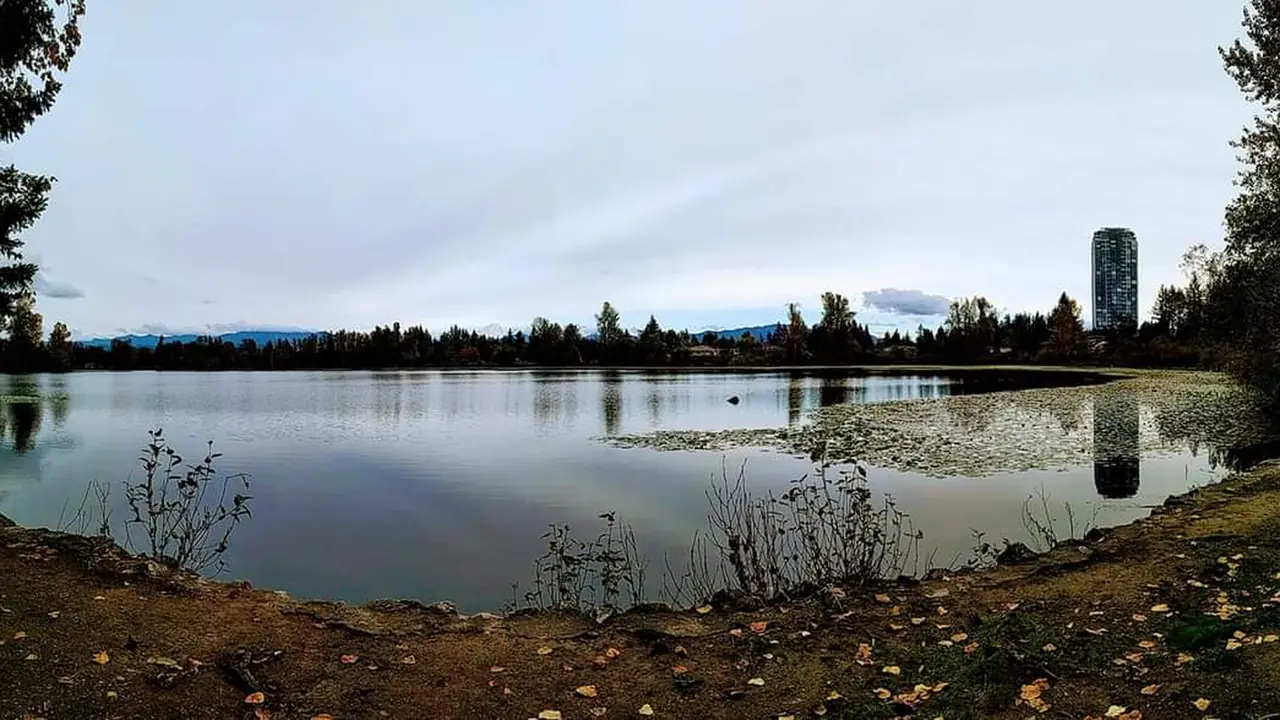
Choose short outdoor time, playgrounds, simple farm experiences and predictable meal breaks. Mill Lake can work because the family can turn around whenever needed rather than committing to a fixed attraction schedule.
Keep the day flexible and avoid making a distant reservation immediately after a morning activity.
For school-age children
Museums, public farm experiences, swimming, skating and longer park walks can work well. Let children know the basic plan so transitions between stops are easier.
If an activity requires registration or timed entry, build the rest of the day around it rather than treating it as one item on a long list.
For teenagers
Sports events, entertainment, food, shopping, trails and community events may be more appealing than a generic children’s attraction. Give teenagers some choice over the day.
Historic Downtown can also work for older kids who enjoy cafés, browsing and photography.
Pack for Abbotsford conditions
Bring water, layers and sun protection when appropriate. Rural and outdoor experiences can be muddy or exposed, while central activities may involve more walking than expected.
If accessibility, sensory needs or washrooms matter, confirm the details with the specific venue.
Family itinerary examples
- Easy central day: Mill Lake, lunch, then The Reach or Historic Downtown.
- Farm day: one confirmed family farm, a meal, then a nearby park.
- Rainy day: museum or recreation facility, lunch, then library or shopping.
Weather and sensory planning
Farm visits, crowded events and recreation facilities can involve noise, smells, mud, lines or changing weather. Families who know that a child is sensitive to crowds or unfamiliar environments should confirm what the venue is like before arrival and keep a low-pressure exit option.
Quiet parks, libraries and shorter walks can be better choices than major events when the family needs predictability.
Food, naps and bathroom timing matter
Parents often lose more time solving basic needs than travelling between attractions. Plan meals near the main activity, confirm washrooms where needed and avoid placing a reservation exactly at a usual rest time.
That practical preparation does more for the day than adding another attraction.
When to simplify the day
If children become tired, hungry or overwhelmed, dropping the second activity is usually the right choice. Abbotsford gives families enough parks, food and indoor options that a good day does not depend on completing every planned stop.
A flexible itinerary also makes room for traffic, weather and farm schedules without turning the outing into a race.
Useful current resources
Use these sources for details that can change after this guide is published.
Ideas by age and energy
Younger children often do best with playgrounds, easy walks and simple farm activities. School-age children may enjoy museums, swimming, skating, trails and hands-on seasonal experiences. Teenagers may prefer sports, shopping, food, events or a more challenging outdoor route. The right answer is based on the children travelling, not the activity with the highest review count.
Keep one backup close by
If the main activity is outdoors, identify an indoor backup in the same general area. That might mean a museum, library, recreation centre or shopping stop. Driving to the opposite side of Abbotsford after weather changes rarely improves a tired family's day.