Why Historic Downtown works for visitors
Tourism Abbotsford describes Historic Downtown as a revitalized shopping and dining hub, while the Downtown Abbotsford business organization represents more than 200 businesses in the area. For a visitor, the important point is not the business count but the concentration: cafés, restaurants, boutiques and services sit close enough together to reward walking.
That makes downtown a strong first stop when you have only a few hours. You can arrive, park once, walk, eat and get a feel for local independent businesses before deciding whether to continue elsewhere.
How long to allow
Two to four hours is realistic for a relaxed walk, browsing, coffee and a meal. A shorter stop works if downtown is only the beginning of a farm or outdoor day. A longer visit makes sense during a festival, market or event.
Do not schedule the day so tightly that you have to leave a meal or shop immediately for an attraction on the opposite side of Abbotsford. Downtown’s value comes from being able to slow down.
Parking and event days
Parking availability and street activity can change during events. Check current Downtown Abbotsford or City information when your visit coincides with a festival or road closure. If you are staying nearby, walking or a short taxi trip may be simpler than moving a vehicle between central stops.
Visitors with accessibility needs should confirm the specific business entrance or event setup directly, because historic commercial areas can vary building by building.
What to combine with downtown
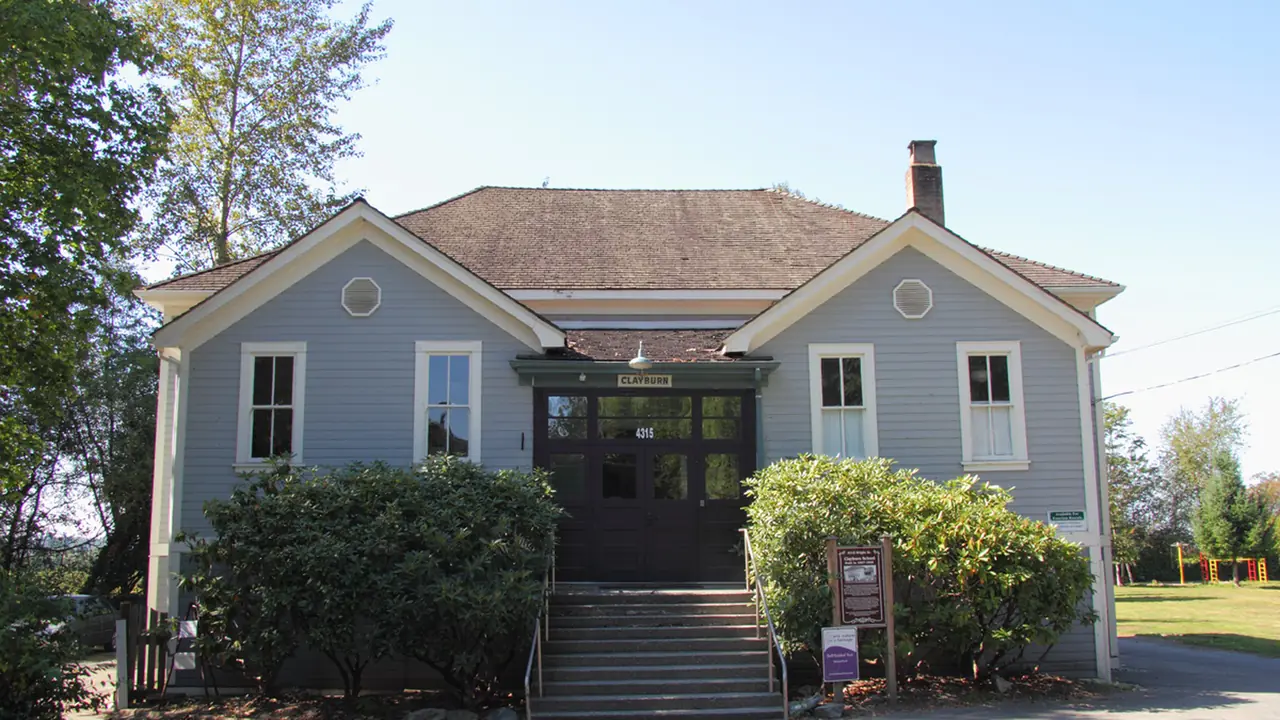
Mill Lake, The Reach Gallery Museum and central Abbotsford services are natural additions. Clayburn is a better separate heritage stop if you have a vehicle, while rural farm experiences should be scheduled as their own block because they require more driving.
A simple pairing is downtown in the morning, a cultural stop around midday and Mill Lake later in the afternoon.
What downtown does not do best
Historic Downtown is not the best base for mountain trails, airport logistics or a full farm itinerary. It is also not a replacement for Abbotsford’s wider food scene. Use it when walkability and local character matter, then choose another area for a different kind of experience.
Morning, afternoon or evening?
Morning suits coffee, bakeries and quieter browsing. Midday gives the broadest mix of shopping and dining, while evening can work for restaurants and events depending on the day. Business hours vary, especially on quieter days of the week.
Check the specific places you care about rather than assuming the district operates like a large mall.
For photographers and architecture fans
Historic facades, murals and streetscape details reward slow observation, but remember that businesses and homes are active spaces. Photograph from public areas and avoid obstructing entrances.
Clayburn provides a different heritage atmosphere if architecture is a major interest.
Useful current resources
Use these sources for details that can change after this guide is published.
Historic Downtown by the numbers
The City of Abbotsford's 2024 demographic profile, based on the 2021 Census, reports 9,910 residents in the Historic Downtown profile area. The same City profile describes it as a historic neighbourhood with many local businesses and identifies Jubilee Park as a central community amenity. These figures describe the broader demographic profile area, not simply the few blocks a visitor walks on Montrose Avenue.
When is Downtown the wrong choice?
If your priority is a long nature hike, a farm tour or an airport hotel, Downtown is better used as a meal or shopping stop than the base for the entire trip. Visitors with limited mobility should also check the exact business entrances and parking arrangement they intend to use rather than assuming every heritage-era storefront has the same access.