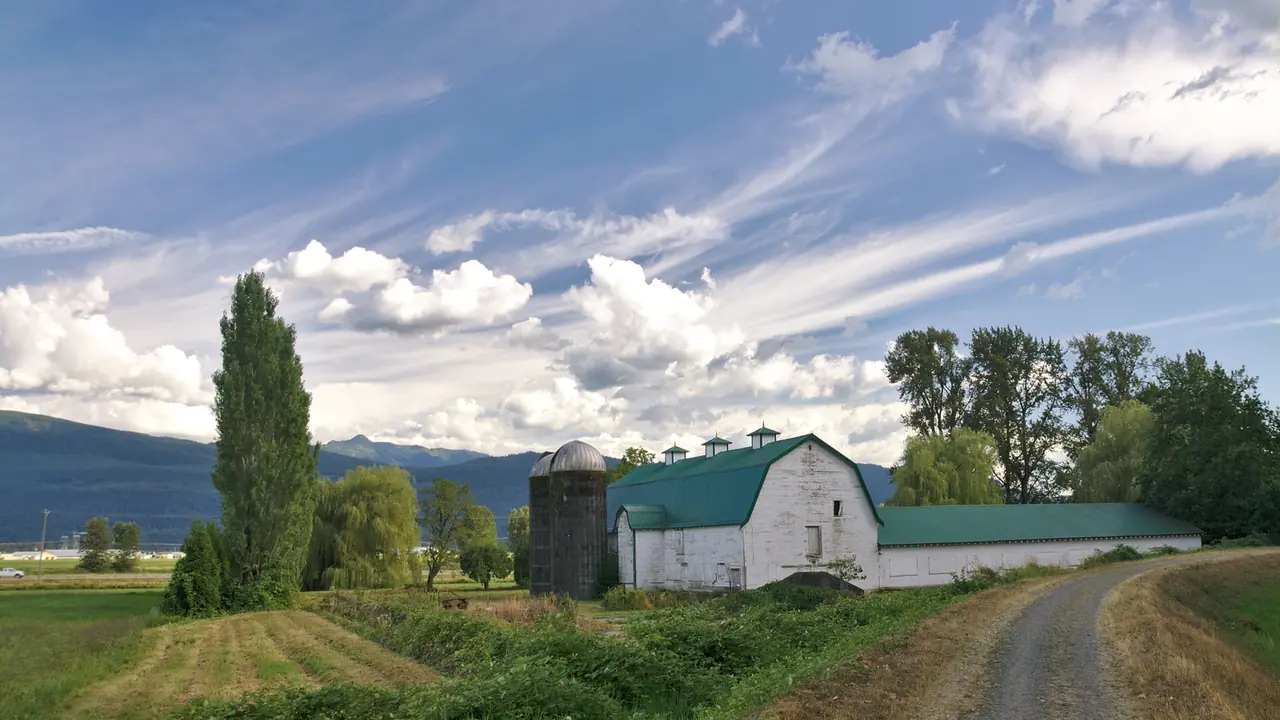
Why Abbotsford farm experiences matter
Tourism Abbotsford describes the city as a farm-tour destination and promotes the Abbotsford portion of the Circle Farm Tour. Visitors may find markets, u-pick, animals, flowers, food products and hands-on seasonal activities depending on the time of year.
The experience changes significantly by season. A farm that is excellent during berry season may have limited visitor activity in winter, while another business may focus on markets or year-round food.
Choose public experiences, not private farmland
Abbotsford’s fields are working agricultural land. Do not assume a scenic farm, barn or crop field is open to visitors. Use Tourism Abbotsford, the Circle Farm Tour or a farm’s own website to confirm that the business invites the public.
Respect driveways, equipment, animals and crop areas. Rural sightseeing should never interfere with farm work.
Plan by geography
Mount Lehman, Bradner, Sumas Prairie and other rural areas can involve longer driving distances than central Abbotsford. Group nearby farm stops and avoid crossing back and forth through the city.
If your itinerary includes Historic Downtown or Mill Lake, put those activities at the beginning or end of the day rather than between distant farm visits.
Seasonal planning
Spring may bring flowers and early markets; summer is strong for berries and outdoor activity; fall often brings harvest experiences and family events; winter shifts attention toward indoor food, markets and seasonal programs.
Exact opening periods depend on crops and weather, so current farm information matters more than a permanent calendar.
Farm visits with children
Hands-on farms can be excellent family activities, but children’s interests, weather and walking conditions vary. Confirm washrooms, admission, reservations and age-appropriate activities before setting out.
One substantial farm stop plus a flexible second activity is usually enough for younger children.
Build a responsible farm day
- Choose two or three public-facing farm businesses.
- Confirm hours or reservations the same week.
- Map them in a logical route.
- Leave storage space if you plan to buy produce or food.
- Respect private land between stops.
What to ask before booking
Ask whether the experience is drop-in or reservation-only, how long visitors typically stay, whether food is sold on site, and whether the activity continues in rain. For u-pick, confirm crop availability close to the visit because weather can change timing.
These small questions prevent long rural drives for an experience that is sold out or not currently operating.
Agritourism and local purchasing
Buying directly from producers can be part of the experience, but visitors should bring appropriate payment methods and storage space for food purchases. Warm-weather products may need a cooler if the day continues for several hours.
Farm shopping is more enjoyable when it is planned as part of the route rather than an afterthought.
Useful current resources
Use these sources for details that can change after this guide is published.
How do you know whether a farm welcomes visitors?
Look for a current visitor page, posted opening hours, tickets, a market, tasting room or explicit farm-experience information. A roadside field, barn or crop is not an invitation to enter private property. If the business is seasonal, confirm the date rather than relying on an old social-media post.
Questions to ask before booking
Is the experience outdoors? Are reservations required? Is produce available on the date you are visiting? Are children allowed in every area? Is the surface suitable for strollers or mobility devices? Can purchases stay safely in the vehicle afterward? Answering these questions prevents a farm day from becoming a series of unexpected detours.