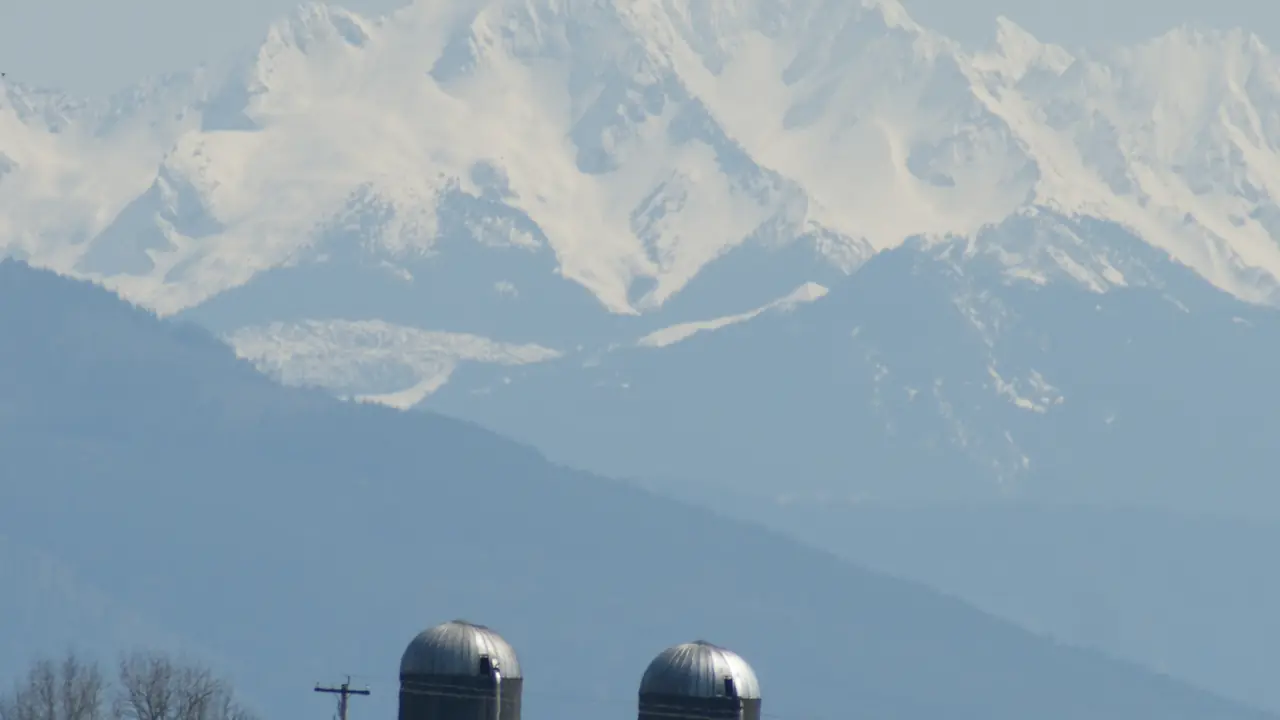
Discovery Trail for a longer urban route
The City describes Discovery Trail as a paved corridor connecting east and west Abbotsford through natural habitat that includes forest, ponds, creeks and meadows. That makes it useful for walking, running, cycling and other all-season activity.
Because the trail is extensive, choose a section and access point before you leave. A first-time visitor does not need to cover the entire system to enjoy it.
Matsqui Trail for Fraser River scenery
Matsqui Trail Regional Park provides a flatter dike and river landscape north of central Abbotsford. It can suit walking and cycling when mountain terrain is not the goal.
Exposed river environments can feel different in wind, heat or wet weather. Check current regional park information and bring enough water, especially on longer outings.
Sumas Mountain for more serious terrain
Sumas Mountain offers a very different experience from Mill Lake or Discovery Trail. Forested routes and elevation changes can require more time, navigation awareness and suitable footwear.
Do not choose a mountain route simply because it appears on a list of top Abbotsford attractions. Match the trail to experience level and current conditions, and avoid starting late when daylight is limited.
Mill Lake for easy central recreation
Mill Lake is the easiest outdoor option to combine with downtown, shopping or cultural activities. It works well for families, casual walkers and visitors who need a flexible schedule.
If your group includes people with very different fitness levels, Mill Lake or a shorter Discovery Trail section can be a better shared experience than a demanding hike.
How to choose the right outdoor day
- Check the weather and daylight.
- Choose terrain: lake, paved trail, river dike or mountain.
- Confirm access and parking.
- Match distance to the least experienced person in the group.
- Carry water, layers and appropriate footwear.
Accessibility and route surfaces
Not every trail has the same surface, grade or accessible facilities. When mobility access is important, confirm the exact park or trail section with the responsible agency rather than relying on a generic outdoor description.
Mill Lake and paved sections of Discovery Trail may be easier starting points for some visitors.
Outdoor etiquette
Stay on designated public routes, pack out waste and keep dogs under the rules that apply to the specific park. Rural and mountain access may pass near private property or sensitive habitat.
Good outdoor etiquette protects both the experience and local relationships.
Useful current resources
Use these sources for details that can change after this guide is published.
How do you choose a trail safely?
Start with terrain and time. A paved or urban trail is not interchangeable with a mountain route. Check the City or park authority for current access, look at the expected elevation and surface, and decide whether every person in the group can complete the route comfortably. Weather in the valley does not guarantee the same conditions on an exposed or higher trail.
Outdoor etiquette matters in agricultural Abbotsford
Stay on public roads and designated trails, respect private farms and gates, carry out waste and follow posted dog or wildlife rules. When a rural road looks scenic, that does not make adjacent land public. This distinction is especially important in Matsqui, Sumas Prairie, Bradner and Mount Lehman.